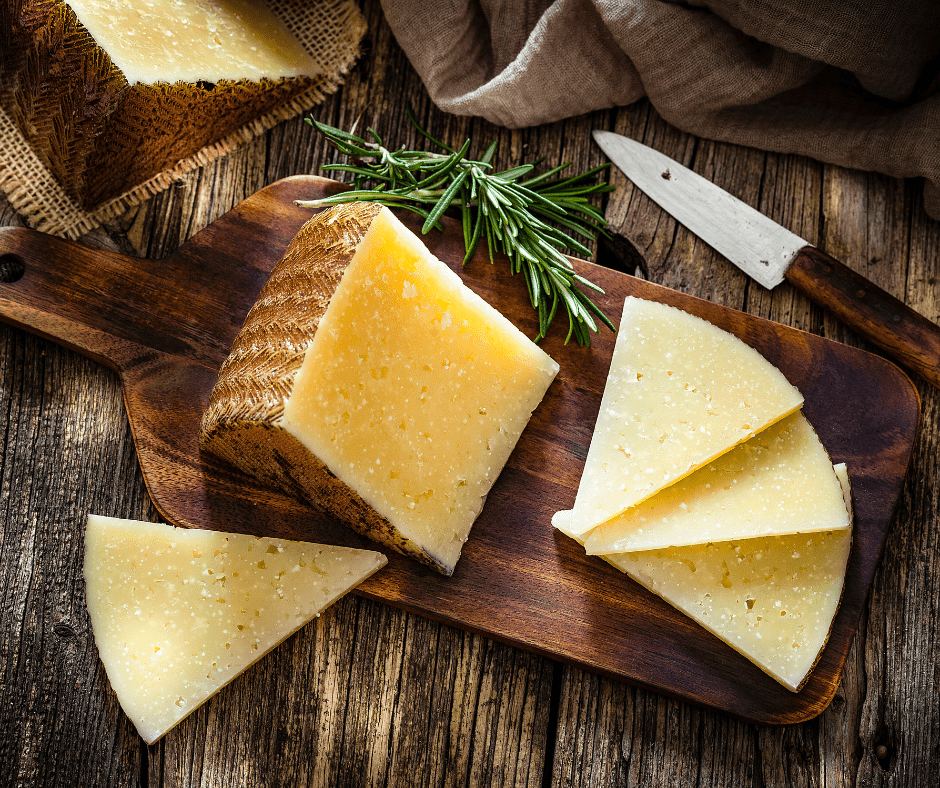
Cheddar cheese is one of the most consumed cheeses worldwide. With a firm texture and a flavor that can range from mild to more intense, it is made with cow’s milk and can have shades ranging from pale white to intense orange. Originally from the town of Cheddar (England), today it is produced all over the world in young versions (matured for 2–3 weeks) or aged (over 12 months). Thanks to its international demand, industrial production requires efficient, reliable and high-capacity lines, with stable control of critical parameters such as humidity, acidity and texture. At Fibosa we offer advanced technological solutions for the manufacture of Cheddar cheese.
The efficiency of Fibosa’s production lines in the manufacture of cheddar cheese
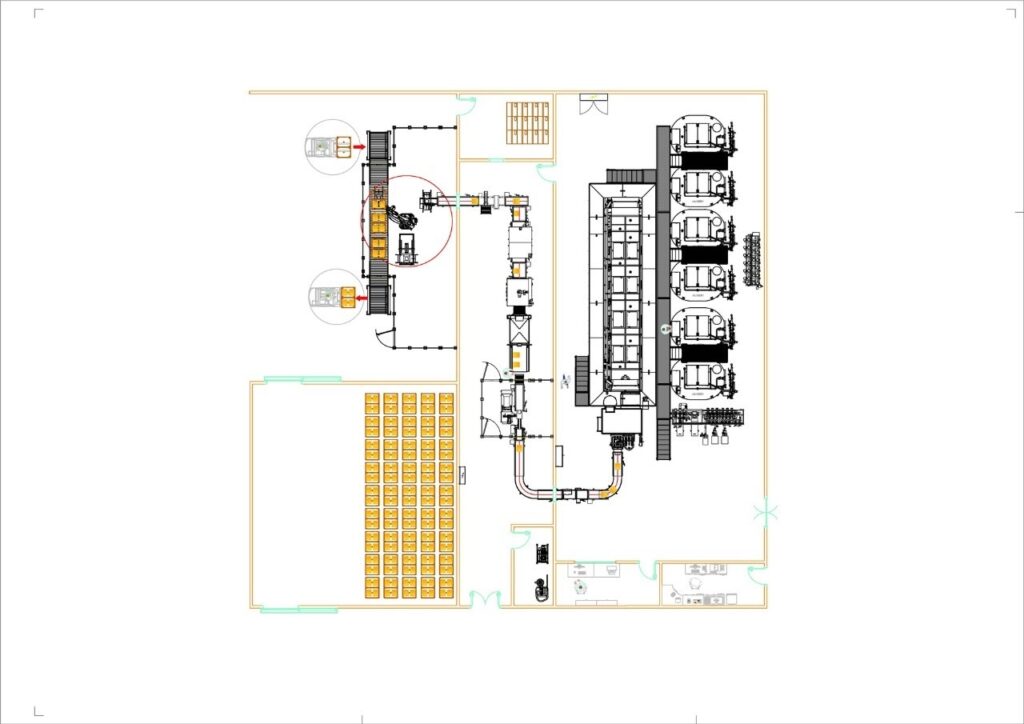
At FIBOSA we design and manufacture complete lines for the production of Cheddar cheese , adapted to the specific needs of each client. Our comprehensive solutions combine advanced automation, high production capacity and proprietary technology to guarantee efficient and reliable processes.
1. Preparation and Transfer
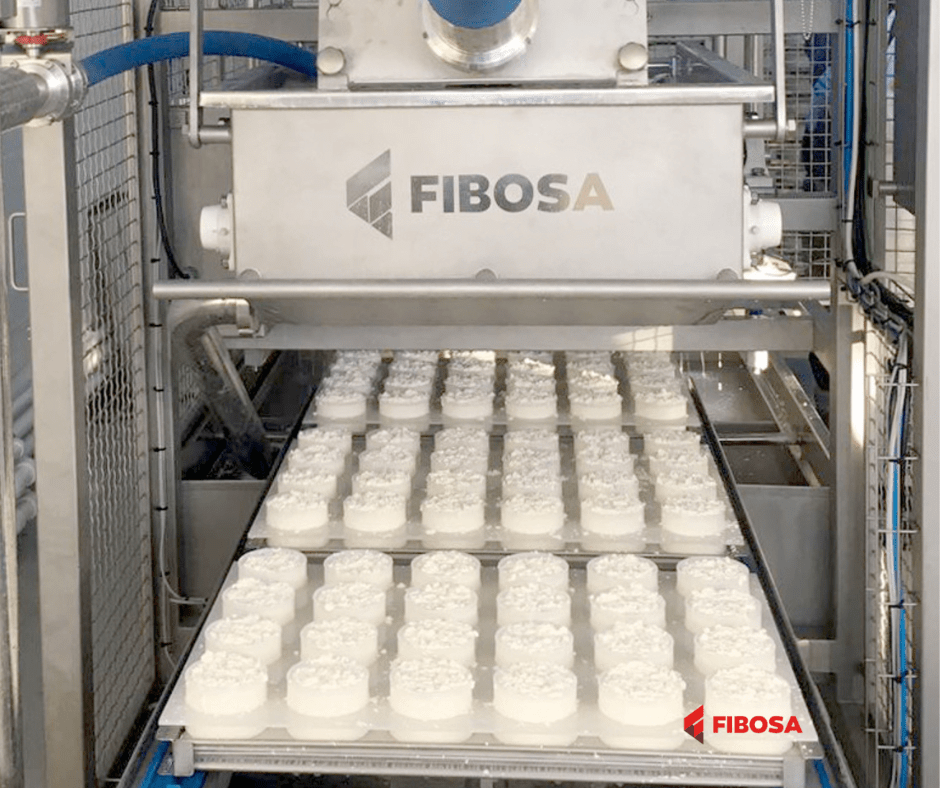
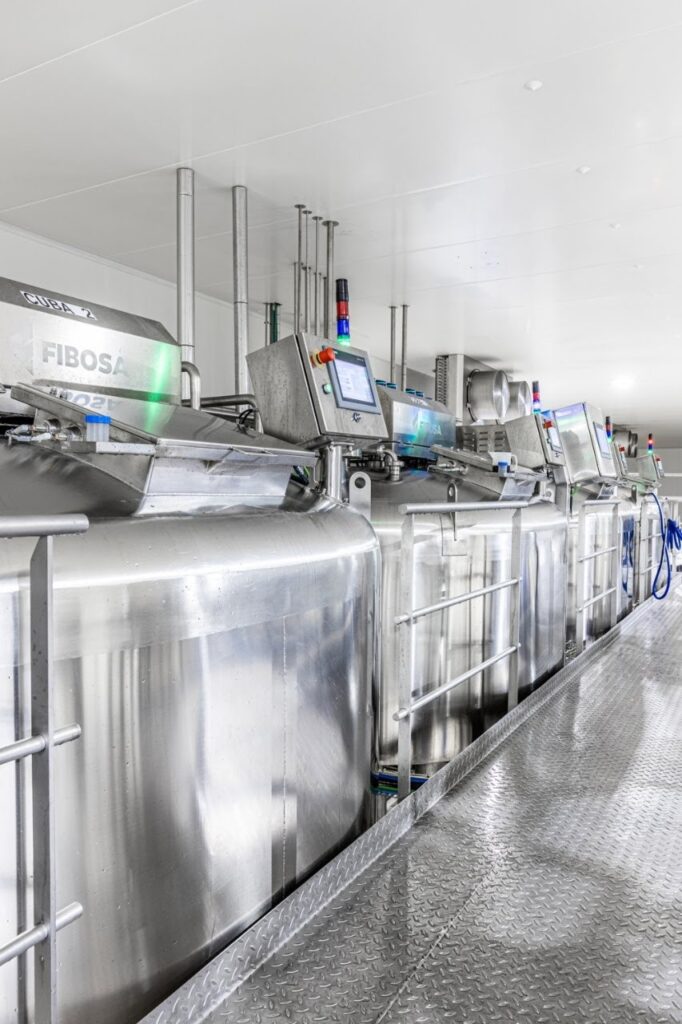
Production begins in the processing vats, where the curd is prepared. Once ready, transfer pumps are used to carry the product to the next phase of the continuous process.
2. Cheddarization (FIDDAR Cheddarizer)
This is the central stage where the texture of the curd is transformed through several automated processes:
- Draining and turning: A curd mattress is formed that passes through three initial drainage lines with automatic turning.
- Acidification and texturization: The product is acidified and acquires the characteristic texture of cheddar.
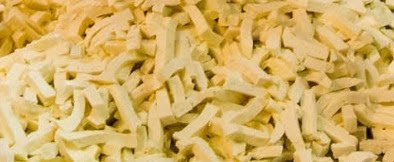
- Scarifying: A scarifying drum cuts the curd into small pieces called “chips”.
- Dry salting: Dry salt is applied with a subsequent agitation system to ensure uniformity.
3. Block Formation (Void Column)
The curd chips are introduced into the vacuum block forming column . The product is compacted as it descends through the column in a vacuum environment to obtain a homogeneous, air-free block.
4. Cutting and Bagging
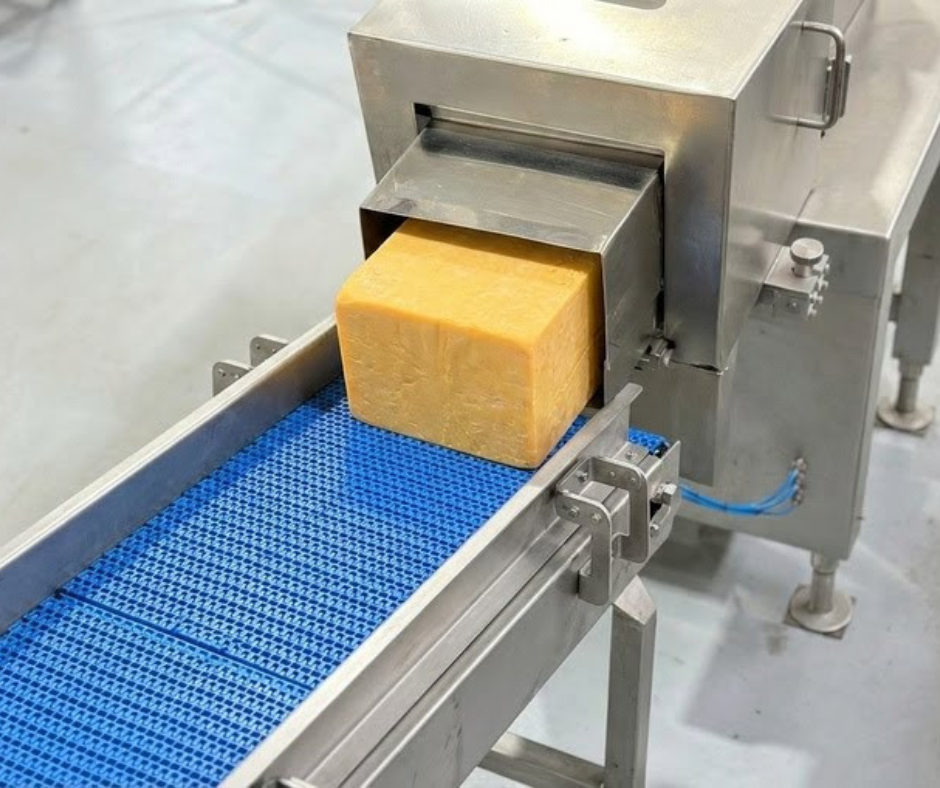
- Cutting: A guillotine system divides the compacted cheese column into blocks of precise dimensions (such as 350×280 mm).
- Bagging: A pneumatic actuator or a bagging robot automatically inserts the block into its bag.
5. Completion of packaging
The process continues with packaging and sealing, followed by shrink wrapping to fit the packaging to the product. Finally, a blowing and sweeping process is performed to clean or dry the packages before leaving the line.
6. Storage and Maturation
The finished blocks are moved to storage areas, where they are kept for maturation, which can range from a few weeks to more than 12 months depending on the type of cheddar desired.
The entire line is coordinated by centralized control and includes CIP cleaning systems to guarantee maximum hygiene at each stage.
The FIDDAR automatic Cheddarizer from Fibosa
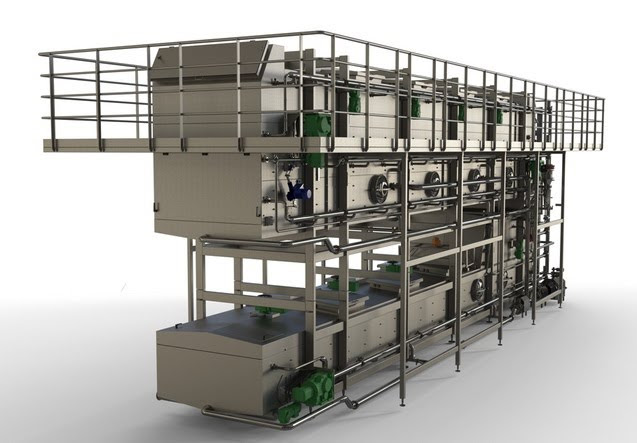
The process that gives the cheese its name is cheddarization, a dance of physical and chemical transformations. The heart of this process is the FIDDAR automatic cheddarizer , designed to manage the de-skimming, acidification, salting and texturizing of the curd in an uninterrupted manner, with capacities ranging from 1,000 to 10,000 kg/h (depending on the model).
Within the FIDDAR, the product advances along three fundamental drainage lines that define its technical architecture:
- Initial drainage and turning: Where the characteristic “curd mattress” is formed, and automatic turning.
- Cheddarization and cutting: The process of ripening the curd before passing through the scarifying drum that cuts it into “chips” .
- Finishing and output: The final stage where the product is added with salt, stabilized and ready for compaction.
The automatic cheddarizer integrates adjustable speed conveyor belts, curd turning and a dry salting system with subsequent agitation to improve salt uniformity and the behavior of the dough before shaping.
Its closed stainless steel structure guarantees hygiene and process control. It includes a CIP system and centralized control for automatic cleaning and safe operation. With a capacity of 1000 to 10000 kg/h continuously, it ensures efficiency, uniformity and easy integration into industrial cheddar cheese lines.
The Block-Forming Column in the Void: How “chips” become blocks
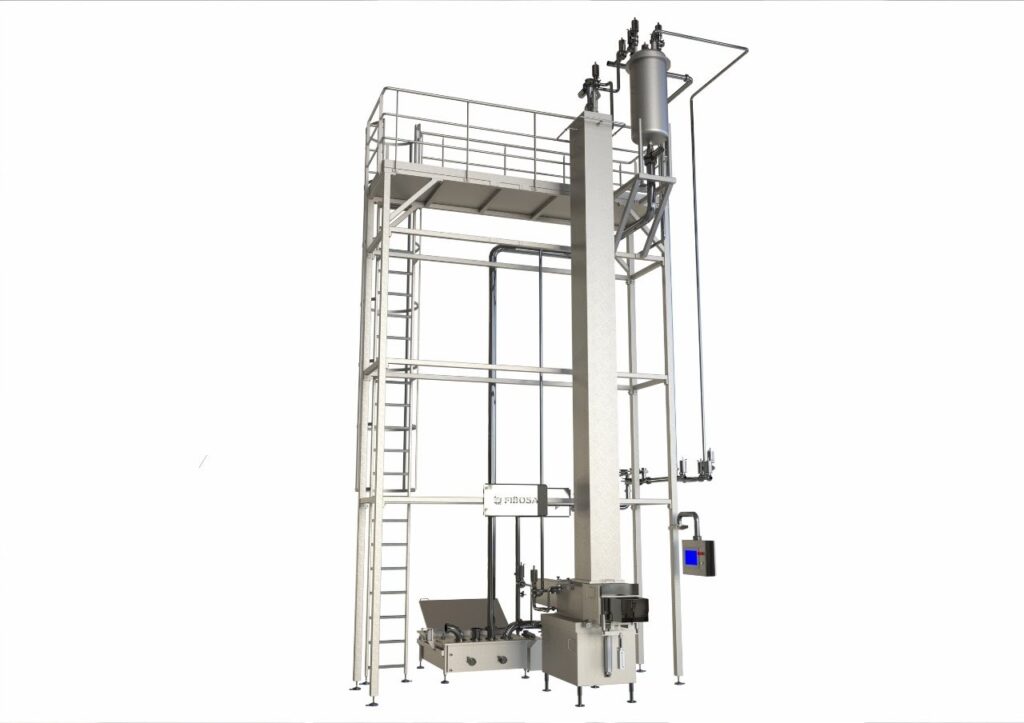
The Vacuum Block Forming Column (XC352806) forms compact blocks of cheddar cheese from the “chips” coming from the cheddarizer. The equipment, totally enclosed and made of food-grade stainless steel, includes vacuum control, smooth finish, perforations for quick cleaning and CIP system. It incorporates vacuum pumps, adjustable elevator and centralized control for integration with the production line. It has a serum tank with centrifugal pump for extraction and cleaning.
The efficiency of this column, with a production speed of up to 2 blocks per minute (dimensions of 350×280 mm) reflects its industrial power:
- Air consumption: 150 L/min.
- Water consumption: 140 L/h.
- Installed power: 25 kW.
The process ends with a high-precision guillotine-type cutting system using a pneumatic actuator that extracts the product without manual manipulation. It is then bagged and vacuum sealed.
The transformation of cheddar cheese manufacturing is a success story where technology—through automation and continuous work—has managed to elevate a traditional process to the category of a milestone in modern food engineering.
Thanks to our extensive experience in the cheese sector and deep applied knowledge, at Fibosa we design and manufacture flexible solutions for the production of Cheddar cheese , adapted to the needs of each client, with fully automated and high-capacity plant designs to guarantee process stability and product uniformity.
Contact us and we will help you define the ideal line according to your capacity and your plant integration requirements.